

As a supplier of dry floor fountains, I often get asked about the materials used to make these innovative water features. Dry floor fountains, also known as Dry Deck Fountain, Dry Water Fountain, or Civil Work Dry Fountains, are a popular choice for both indoor and outdoor spaces due to their unique design and functionality. In this blog post, I will explore the various materials used in the construction of dry floor fountains and their benefits.
Structural Materials
The structural integrity of a dry floor fountain is crucial to its long - term performance. The following materials are commonly used for the structural components:
Concrete
Concrete is one of the most widely used materials for the base and structure of dry floor fountains. It is strong, durable, and can be molded into various shapes and sizes. Reinforced concrete, which contains steel bars or mesh, provides even greater strength and resistance to cracking. Concrete can also be finished with different textures and colors to match the surrounding environment. For example, in large outdoor public spaces, a smooth - finished concrete base can give the fountain a modern and sleek look, while a textured concrete finish can add a more rustic or natural feel.
Steel
Steel is another important structural material. It is used for framing, support beams, and sometimes for the entire structure of the fountain. Stainless steel is particularly popular because of its corrosion resistance, especially in wet environments. Steel structures can be pre - fabricated off - site, which reduces construction time and costs. They are also highly customizable, allowing for complex and creative designs. For instance, a steel frame can support a large and elaborate dry floor fountain with multiple water jets and lighting elements.
Water - Containment Materials
To ensure that water is properly contained within the fountain and does not leak into the surrounding area, specific materials are used:
Waterproof Membranes
Waterproof membranes are essential for preventing water seepage. They are typically made of materials such as PVC (polyvinyl chloride), EPDM (ethylene propylene diene monomer), or TPO (thermoplastic polyolefin). These membranes are applied to the surface of the concrete or other structural materials to create a watertight barrier. PVC membranes are known for their durability and flexibility, while EPDM membranes are resistant to UV rays and extreme temperatures. TPO membranes, on the other hand, are lightweight and easy to install.
Fiberglass
Fiberglass can be used to line the water - holding areas of the fountain. It is a strong and waterproof material that can be molded into different shapes. Fiberglass liners are corrosion - resistant and easy to clean, making them a good choice for long - term use. They can also be coated with a gel coat to give them a smooth and attractive finish.
Water - Delivery Materials
The materials used for delivering water to the fountain play a vital role in its functionality:
Pipes
Pipes are used to transport water from the water source to the various nozzles in the fountain. PVC pipes are commonly used because they are lightweight, inexpensive, and easy to install. They are also resistant to corrosion and chemicals. For larger fountains or those with high - pressure water systems, copper pipes may be used. Copper pipes are more durable and can handle higher pressures, but they are also more expensive.
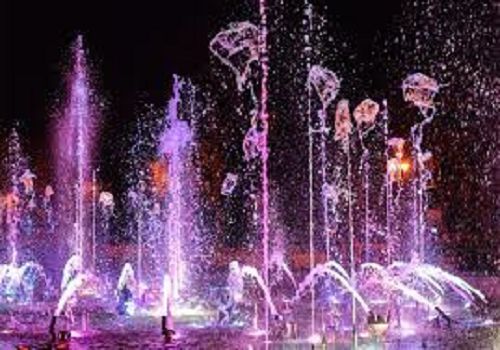

Nozzles
Nozzles are responsible for creating the different water patterns in the fountain. They are typically made of brass, stainless steel, or plastic. Brass nozzles are known for their durability and ability to create precise water patterns. Stainless steel nozzles are corrosion - resistant and suitable for outdoor use. Plastic nozzles are lightweight and inexpensive, making them a good choice for small - scale or budget - friendly fountains.
Surface and Decorative Materials
The surface and decorative materials of a dry floor fountain can enhance its aesthetic appeal:
Stone
Natural stone, such as granite, marble, or limestone, is often used to cover the surface of the fountain. Stone adds a touch of elegance and sophistication to the fountain. Granite is a very hard and durable stone, making it suitable for high - traffic areas. Marble has a smooth and luxurious appearance, while limestone can give the fountain a more natural and earthy look. Stone can be cut into different shapes and sizes and installed in various patterns, such as a herringbone or a basketweave pattern.
Tile
Tiles are another popular choice for surface decoration. They come in a wide variety of colors, shapes, and sizes. Ceramic tiles are affordable and easy to install, while porcelain tiles are more durable and resistant to stains. Glass tiles can add a shimmering and reflective effect to the fountain, especially when combined with proper lighting.
Lighting Materials
Lighting is an important aspect of dry floor fountains, as it can create a stunning visual effect, especially at night.
LED Lights
LED lights are the most commonly used lighting material in dry floor fountains. They are energy - efficient, long - lasting, and available in a wide range of colors. LED lights can be installed within the water jets, along the edges of the fountain, or in the surrounding area. They can be programmed to change colors and patterns, creating a dynamic and eye - catching display.
Advantages of Different Materials
Each material used in dry floor fountains has its own set of advantages:
- Durability: Materials like concrete, steel, and natural stone offer long - term durability, ensuring that the fountain can withstand the test of time and environmental factors.
- Aesthetics: Stone, tile, and lighting materials allow for a high degree of customization in terms of appearance, enabling the fountain to blend in or stand out in its surroundings.
- Functionality: The combination of waterproof membranes, pipes, and nozzles ensures that the fountain functions properly and creates the desired water effects.
Conclusion
In conclusion, the materials used to make dry floor fountains are carefully selected to ensure both functionality and aesthetic appeal. From the structural materials that provide support to the water - containment, delivery, and decorative materials, each component plays a crucial role. As a supplier of dry floor fountains, I understand the importance of using high - quality materials to create fountains that meet the needs and expectations of our customers.
If you are interested in purchasing a dry floor fountain for your project, whether it's a small indoor installation or a large outdoor public fountain, I encourage you to contact me for more information. We can discuss your specific requirements, design ideas, and the best materials to use for your fountain. I look forward to working with you to create a unique and beautiful dry floor fountain that will enhance your space.
References
- "Water Feature Design and Construction" by John Smith
- "Materials for Landscape Architecture" by Emily Davis
- Industry reports on dry floor fountain materials and technologies