

Noise is an important factor to consider when selecting fountain equipment, as it can significantly impact the overall user experience and the surrounding environment. As a leading fountain equipment supplier, we understand the diverse needs of our clients and the importance of providing detailed information about the noise levels of different types of fountain equipment. In this blog post, we will explore the noise levels of various fountain equipment and provide insights to help you make an informed decision.
Understanding Noise Measurement
Before delving into the noise levels of specific fountain equipment, it's essential to understand how noise is measured. The unit of measurement for sound is the decibel (dB). A decibel is a logarithmic unit that expresses the ratio of a sound's intensity to a reference level. The human ear can perceive a wide range of sound intensities, from the faintest whisper to the loudest jet engine. To put things into perspective, a normal conversation typically occurs at around 60 dB, while a rock concert can reach levels of 120 dB or more. Prolonged exposure to sounds above 85 dB can cause hearing damage.
Noise Levels of Different Fountain Equipment
Dry Water Fountain
Dry water fountains, such as those found on our Dry Water Fountain page, are a popular choice for public spaces, commercial areas, and residential settings. These fountains feature water jets that emerge from the ground, creating a dynamic and interactive water display. The noise level of a dry water fountain primarily depends on the pump's power and the design of the water jets.
In general, dry water fountains produce relatively low noise levels, typically ranging from 40 to 60 dB. This is because the water jets are often designed to be gentle and create a soft, soothing sound. The noise level can be further reduced by using high - quality pumps that are specifically designed to operate quietly. Additionally, proper installation and maintenance of the fountain can help minimize any potential noise issues.
Fountain Ground
Fountain ground installations, as shown on our Fountain Ground page, are another type of fountain that can add a touch of elegance to any space. These fountains are often installed flush with the ground, creating a seamless and visually appealing water feature. The noise level of a fountain ground installation is influenced by several factors, including the water flow rate, the type of nozzles used, and the presence of any additional features such as lighting or waterfalls.
Fountain ground installations typically have noise levels in the range of 50 to 70 dB. The sound of the water flowing over the ground and through the nozzles creates a pleasant, ambient noise that can enhance the overall atmosphere of the area. However, if the water flow rate is too high or the nozzles are not properly designed, the noise level can increase. To ensure a quiet operation, it is important to choose the right components and have the fountain installed by a professional.
Dry Deck Fountain
Dry deck fountains, like those available on our Dry Deck Fountain page, are similar to dry water fountains but are typically installed on a deck or platform. These fountains are often used in outdoor spaces such as patios, decks, and pool areas. The noise level of a dry deck fountain is mainly determined by the pump and the water distribution system.

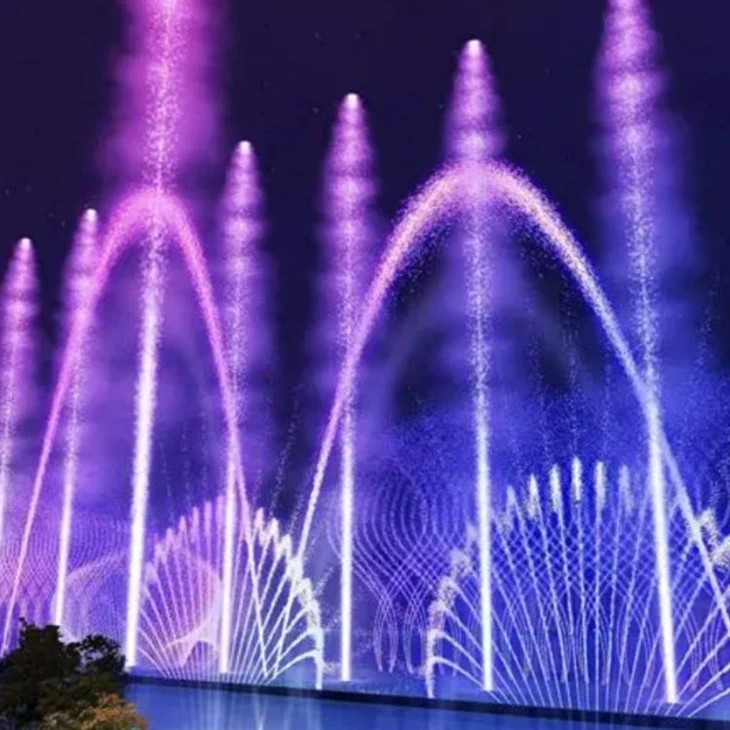
Dry deck fountains usually produce noise levels between 45 and 65 dB. The sound of the water hitting the deck surface and splashing around can create a lively and engaging soundscape. However, if the deck is made of a hard material such as concrete, the noise level may be slightly higher due to the increased reverberation. To reduce the noise, rubber pads or other sound - absorbing materials can be used under the fountain components.
Factors Affecting Noise Levels
In addition to the type of fountain equipment, several other factors can affect the noise levels. These include:
- Pump Quality: High - quality pumps are designed to operate more quietly than lower - quality ones. They often have better insulation and more efficient motors, which can reduce the amount of noise generated.
- Water Flow Rate: A higher water flow rate generally results in a louder sound. Adjusting the flow rate to an appropriate level can help control the noise.
- Surrounding Environment: The materials and layout of the surrounding area can have a significant impact on the noise level. For example, a fountain located in an enclosed space with hard walls may produce more noise due to reverberation, while a fountain in an open area with soft landscaping may have a lower noise level.
- Maintenance: Regular maintenance of the fountain equipment is crucial to ensure quiet operation. Clogged nozzles, worn - out pumps, or loose components can all increase the noise level.
Choosing the Right Fountain Equipment Based on Noise Requirements
When selecting fountain equipment, it's important to consider the intended location and the desired noise level. For areas where a quiet and peaceful environment is desired, such as libraries, meditation gardens, or residential bedrooms, fountains with lower noise levels, such as dry water fountains, may be the best choice. On the other hand, for areas where a more lively and engaging atmosphere is wanted, such as shopping malls, amusement parks, or public squares, fountains with slightly higher noise levels, like fountain ground installations or dry deck fountains, can be more appropriate.
Conclusion
Noise level is an important aspect to consider when choosing fountain equipment. As a fountain equipment supplier, we are committed to providing our clients with high - quality products that meet their specific needs, including noise requirements. By understanding the noise levels of different types of fountain equipment and the factors that affect them, you can make an informed decision and select the fountain that is perfect for your space.
If you are interested in learning more about our fountain equipment or have questions about noise levels, please feel free to contact us. Our team of experts is ready to assist you in choosing the right fountain for your project and ensuring a smooth and successful installation. Let's work together to create a beautiful and harmonious water feature that will enhance your space for years to come.
References
- "Sound and Noise: An Introduction." Physics Classroom.
- "Acoustics and Noise Control Handbook." CRC Press.