

As a supplier of water curtains, I've witnessed firsthand the crucial role that water quality plays in the performance and longevity of these captivating installations. Water curtains are not just aesthetically pleasing; they are also complex systems that rely on the proper balance of water chemistry to function optimally. In this blog post, I'll explore the various ways in which water quality impacts a water curtain and why it's essential to pay close attention to this often-overlooked aspect.
The Basics of Water Quality
Before delving into the specific impacts of water quality on water curtains, it's important to understand the key parameters that define water quality. These include pH level, total dissolved solids (TDS), hardness, and the presence of contaminants such as bacteria, algae, and heavy metals. Each of these factors can have a significant effect on the performance and appearance of a water curtain.
The pH level of water is a measure of its acidity or alkalinity. A pH level of 7 is considered neutral, while levels below 7 are acidic and levels above 7 are alkaline. Most water curtains operate best within a slightly acidic to neutral pH range of 6.5 to 7.5. If the pH level is too low, the water can become corrosive, damaging the pipes, pumps, and other components of the water curtain system. On the other hand, if the pH level is too high, it can lead to the formation of scale and deposits, which can clog the nozzles and reduce the flow of water.
Total dissolved solids (TDS) refer to the amount of inorganic and organic substances dissolved in the water. High TDS levels can cause a variety of problems for water curtains, including the formation of scale, corrosion, and the growth of bacteria and algae. Scale buildup can reduce the efficiency of the water curtain system by blocking the nozzles and reducing the flow of water. Corrosion can damage the pipes, pumps, and other components of the system, leading to leaks and costly repairs. Bacteria and algae growth can also cause problems, such as discoloration of the water and the formation of unpleasant odors.
Water hardness is another important factor to consider. Hard water contains high levels of calcium and magnesium ions, which can cause scale buildup in the water curtain system. Scale can reduce the efficiency of the system by blocking the nozzles and reducing the flow of water. It can also damage the pipes, pumps, and other components of the system, leading to leaks and costly repairs. Soft water, on the other hand, contains low levels of calcium and magnesium ions and is less likely to cause scale buildup.
Contaminants such as bacteria, algae, and heavy metals can also have a significant impact on the performance and appearance of a water curtain. Bacteria and algae growth can cause discoloration of the water and the formation of unpleasant odors. Heavy metals such as lead, mercury, and copper can be toxic to humans and animals and can also cause damage to the water curtain system.
Impact on Performance
One of the most significant impacts of water quality on a water curtain is its effect on performance. Poor water quality can lead to a variety of problems, including reduced flow rate, clogged nozzles, and uneven water distribution. These issues can not only detract from the aesthetic appeal of the water curtain but also reduce its functionality.
Reduced flow rate is a common problem caused by poor water quality. Scale buildup, corrosion, and clogged nozzles can all restrict the flow of water through the system, resulting in a weaker and less impressive water curtain. This can be particularly noticeable in large water curtain installations, where a reduced flow rate can make the curtain appear thin and lackluster.
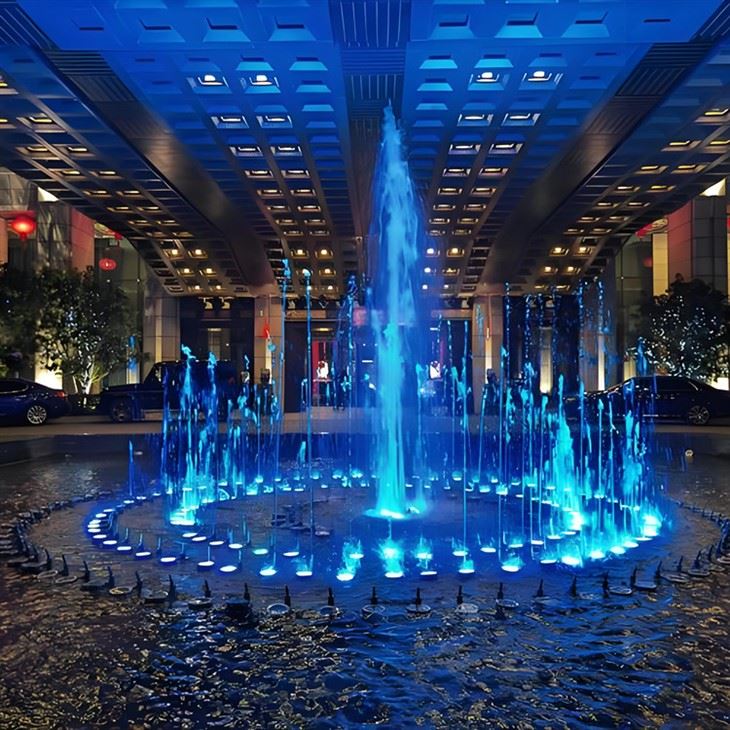
Clogged nozzles are another common issue caused by poor water quality. Scale, debris, and other contaminants can accumulate in the nozzles, blocking the flow of water and causing the water curtain to appear uneven or patchy. This can be a major problem for water curtain installations that are designed to create a specific pattern or effect, as clogged nozzles can disrupt the intended design.
Uneven water distribution is also a common problem caused by poor water quality. If the water is not properly balanced, it can cause the water curtain to flow unevenly, resulting in areas of the curtain that are thicker or thinner than others. This can be particularly noticeable in large water curtain installations, where uneven water distribution can make the curtain appear unbalanced and unprofessional.
Impact on Appearance
In addition to its impact on performance, water quality can also have a significant effect on the appearance of a water curtain. Poor water quality can cause the water to appear cloudy, discolored, or have an unpleasant odor. These issues can not only detract from the aesthetic appeal of the water curtain but also make it less inviting for people to interact with.
Cloudy water is a common problem caused by poor water quality. Suspended particles, such as dirt, sand, and algae, can make the water appear cloudy and murky. This can be particularly noticeable in water curtain installations that are designed to create a clear and transparent effect, as cloudy water can make the curtain appear less impressive.
Discolored water is another common issue caused by poor water quality. Iron, manganese, and other metals can cause the water to appear brown, red, or yellow. This can be particularly noticeable in water curtain installations that are designed to create a specific color or effect, as discolored water can disrupt the intended design.
Unpleasant odors are also a common problem caused by poor water quality. Bacteria, algae, and other contaminants can produce unpleasant odors that can make the water curtain less inviting for people to interact with. This can be particularly problematic in indoor water curtain installations, where the odor can be more noticeable and can have a negative impact on the overall environment.
Impact on Maintenance and Longevity
Poor water quality can also have a significant impact on the maintenance and longevity of a water curtain. Scale buildup, corrosion, and other issues caused by poor water quality can require more frequent maintenance and repairs, which can be costly and time-consuming. In addition, these issues can also reduce the lifespan of the water curtain system, requiring it to be replaced more frequently.
Scale buildup is one of the most common issues caused by poor water quality. Scale can accumulate in the pipes, pumps, and other components of the water curtain system, reducing their efficiency and increasing the risk of damage. To prevent scale buildup, it's important to regularly clean and maintain the water curtain system and to use a water softener or other treatment method to reduce the hardness of the water.
Corrosion is another common issue caused by poor water quality. Corrosion can damage the pipes, pumps, and other components of the water curtain system, leading to leaks and other problems. To prevent corrosion, it's important to use high-quality materials that are resistant to corrosion and to regularly inspect and maintain the water curtain system.
Other issues caused by poor water quality, such as bacteria and algae growth, can also require more frequent maintenance and cleaning. Bacteria and algae can grow in the water curtain system, causing discoloration, unpleasant odors, and other problems. To prevent bacteria and algae growth, it's important to regularly clean and disinfect the water curtain system and to use a water treatment method to control the growth of these organisms.
Importance of Water Treatment
Given the significant impact that water quality can have on a water curtain, it's essential to implement a comprehensive water treatment program. A water treatment program can help to ensure that the water used in the water curtain system is of high quality and free from contaminants. This can help to improve the performance, appearance, and longevity of the water curtain system and reduce the need for frequent maintenance and repairs.
There are several different types of water treatment methods that can be used to improve the quality of the water used in a water curtain system. These include filtration, softening, disinfection, and chemical treatment. Filtration is a process that removes suspended particles, such as dirt, sand, and algae, from the water. Softening is a process that reduces the hardness of the water by removing calcium and magnesium ions. Disinfection is a process that kills bacteria, viruses, and other microorganisms in the water. Chemical treatment is a process that uses chemicals to adjust the pH level, TDS, and other parameters of the water.
When choosing a water treatment method, it's important to consider the specific needs of the water curtain system and the quality of the water source. A professional water treatment specialist can help to assess the water quality and recommend the most appropriate treatment method for the system.
Conclusion
In conclusion, water quality plays a crucial role in the performance, appearance, and longevity of a water curtain. Poor water quality can lead to a variety of problems, including reduced flow rate, clogged nozzles, uneven water distribution, cloudy water, discolored water, unpleasant odors, and increased maintenance and repair costs. To ensure the optimal performance and longevity of a water curtain system, it's essential to implement a comprehensive water treatment program that addresses the specific needs of the system and the quality of the water source.
If you're in the market for a water curtain or need help with water treatment for your existing water curtain system, I encourage you to [reach out to us for a consultation](insert appropriate call-to-action). Our team of experts can help you choose the right water curtain for your needs and ensure that it operates at its best for years to come. Whether you're looking for a Laser Fountain, a The Dancing Fountain, or a Water Dance Fountain, we have the knowledge and experience to provide you with a high-quality solution.
References
- AWWA (American Water Works Association). (2019). Water Quality and Treatment: A Handbook of Community Water Supplies. McGraw-Hill Education.
- EPA (Environmental Protection Agency). (2021). Drinking Water Regulations and Health Advisories. Retrieved from https://www.epa.gov/dwreginfo/drinking-water-regulations-and-health-advisories
- White, G. C. (2010). Handbook of Chlorination and Alternative Disinfectants. Wiley.