

Hey there! As a supplier of laser fountains, I've always been fascinated by their history. Laser fountains are not just a modern-day spectacle; they have a rich and interesting backstory that dates back several decades. Let's take a deep dive into the history of these amazing water and light shows.
The Early Days of Fountains
Fountains have been around for thousands of years. The ancient Egyptians, Greeks, and Romans were known for their elaborate water features. These early fountains were mainly functional, used for providing water for drinking, bathing, and irrigation. However, they also had an aesthetic purpose, adding beauty and grandeur to public spaces and private estates.
In the Middle Ages, fountains became more decorative. They were often placed in the courtyards of castles and monasteries, and their designs were influenced by religious and cultural themes. The Renaissance period saw a resurgence of interest in fountains, with many famous artists and architects contributing to their design. Fountains became even more elaborate, featuring sculptures, waterfalls, and complex hydraulic systems.
The Birth of the Laser
The invention of the laser in the 1960s was a game-changer. A laser, which stands for "Light Amplification by Stimulated Emission of Radiation," is a device that emits a highly concentrated beam of light. Lasers were initially developed for scientific and military purposes, but it wasn't long before their potential for entertainment was realized.
The first public demonstration of a laser light show took place in 1969 at the London Planetarium. The show, which used a combination of lasers and music, was a huge success and sparked interest in using lasers for entertainment purposes around the world.
The Combination of Fountains and Lasers
The idea of combining fountains with lasers came about in the 1980s. The combination of the dynamic movement of water and the bright, colorful beams of lasers created a visually stunning effect. The first laser fountains were relatively simple, using basic laser technology and fountain designs. However, they quickly gained popularity, especially in theme parks and large public events.
As technology advanced, laser fountains became more sophisticated. New types of lasers were developed, allowing for a wider range of colors and effects. Fountain systems also improved, with the ability to create more complex water patterns and movements. This led to the creation of truly immersive and spectacular laser fountain shows.
Modern Laser Fountains
Today, laser fountains are a common sight in many cities around the world. They are used in a variety of settings, from shopping malls and hotels to public parks and waterfronts. Modern laser fountains can be customized to fit the specific needs and themes of a location. They can be synchronized with music, creating a multi-sensory experience that captivates audiences of all ages.
One of the key features of modern laser fountains is their use of advanced control systems. These systems allow operators to precisely control the movement of the water, the color and intensity of the lasers, and the timing of the show. This means that laser fountain shows can be created to tell a story, evoke emotions, or simply provide a fun and entertaining experience.

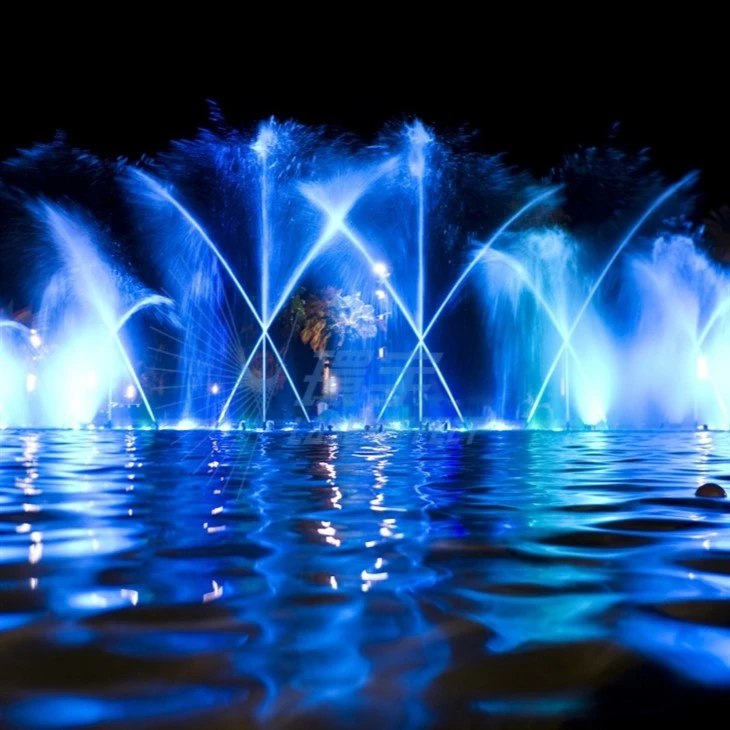
In addition to traditional laser fountains, there are also other types of water-based light shows that have emerged. For example, Water Curtains are a popular alternative. They use a thin sheet of water as a screen for projected images and laser effects, creating a unique and immersive visual experience. Water Dance Fountains are another type, where the water moves in a choreographed way, often synchronized with music, to create a dynamic and engaging show. And of course, Beautiful Fountains can be enhanced with lasers to create an even more breathtaking display.
The Future of Laser Fountains
The future of laser fountains looks bright. As technology continues to evolve, we can expect to see even more innovative and spectacular laser fountain shows. For example, the use of virtual reality and augmented reality technologies could be integrated into laser fountain shows, creating an even more immersive and interactive experience for audiences.
There is also a growing trend towards using sustainable and energy-efficient technologies in laser fountains. This includes the use of LED lasers, which consume less energy and have a longer lifespan than traditional lasers. Additionally, water recycling systems can be used to reduce water consumption, making laser fountains more environmentally friendly.
Why Choose Our Laser Fountains
As a supplier of laser fountains, we are committed to providing high-quality products and services. Our team of experts has years of experience in designing and installing laser fountains, and we use the latest technology and materials to ensure that our fountains are reliable, efficient, and visually stunning.
We offer a wide range of laser fountain options to suit different budgets and requirements. Whether you're looking for a small, intimate fountain for a private garden or a large, elaborate show for a public event, we can help you create the perfect laser fountain.
If you're interested in learning more about our laser fountains or would like to discuss a potential project, we'd love to hear from you. Contact us today to start the conversation and let's create a laser fountain that will leave a lasting impression.
References
- "The History of Fountains" - Various historical texts on ancient and medieval water features.
- "The Invention of the Laser" - Scientific literature on the development of laser technology.
- "The Evolution of Laser Fountains" - Industry reports and articles on the growth and innovation of laser fountains over the years.