

Fountains have long held a special place in human history, captivating us with their beauty, functionality, and cultural significance. As a supplier of beautiful fountains, I've had the privilege of exploring the rich history behind these magnificent water features. In this blog post, I'll take you on a journey through time to discover the origins, evolution, and cultural importance of fountains.
Ancient Origins
The history of fountains dates back thousands of years to ancient civilizations. One of the earliest known fountains was found in the courtyard of an Egyptian palace from around 2000 BC. These early fountains were primarily functional, used for providing water for drinking, bathing, and irrigation. They were simple in design, often consisting of a basin or pool with water flowing from a spout or channel.
In ancient Greece, fountains became more elaborate and decorative. The Greeks built public fountains in their cities, which served as gathering places and sources of fresh water. These fountains were often adorned with sculptures and other artistic elements, reflecting the Greek's love for beauty and art. The most famous Greek fountain is the Fountain of the Nymphs at the Acropolis in Athens, which dates back to the 5th century BC.
The Romans took fountain design to new heights, incorporating advanced engineering techniques and elaborate architectural features. They built large-scale public fountains throughout their empire, using aqueducts to transport water over long distances. Roman fountains were not only functional but also served as symbols of power and wealth. The Trevi Fountain in Rome, completed in the 18th century, is one of the most famous fountains in the world and a testament to the Romans' engineering prowess and artistic vision.
Medieval and Renaissance Periods
During the Middle Ages, the art of fountain design declined in Europe as the focus shifted towards religious architecture and warfare. However, fountains continued to be important in Islamic cultures, where they were used in mosques, palaces, and gardens. Islamic fountains often featured intricate geometric patterns and calligraphy, reflecting the Islamic emphasis on symmetry and beauty.
In the Renaissance period, there was a renewed interest in classical art and architecture, which led to a revival of fountain design in Europe. Italian artists and architects, such as Leonardo da Vinci and Gian Lorenzo Bernini, created some of the most famous fountains of the era. The Fountain of the Four Rivers in Rome, designed by Bernini in the 17th century, is a masterpiece of Baroque art and a symbol of the power and influence of the Catholic Church.
Modern Era
In the modern era, fountain design has continued to evolve, incorporating new technologies and materials. Today, fountains can be found in a variety of settings, from public parks and squares to private gardens and commercial buildings. They come in all shapes and sizes, from small tabletop fountains to large-scale water shows.
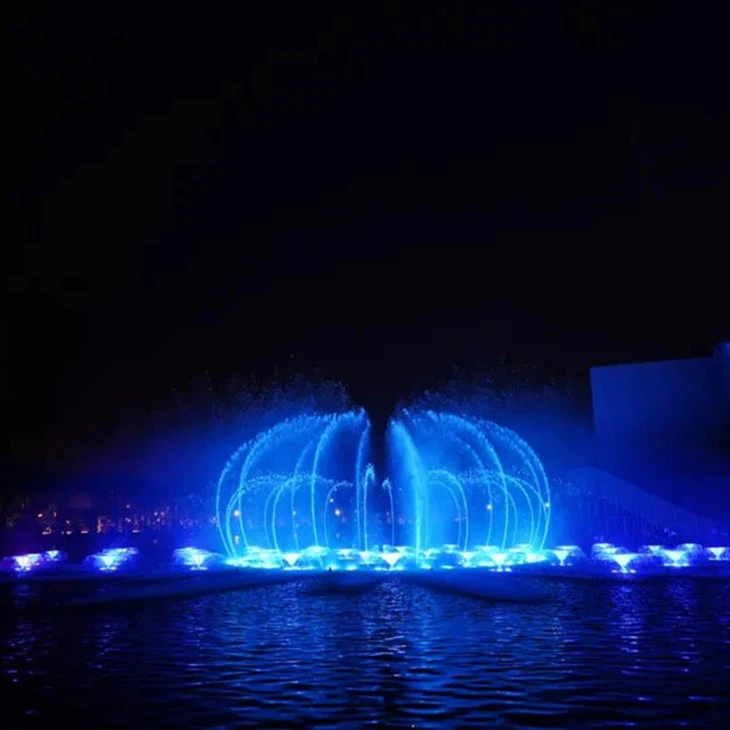
One of the most popular types of modern fountains is the musical fountain, which combines water, light, and music to create a spectacular visual and auditory experience. The The Dancing Fountain is a prime example of a musical fountain, featuring synchronized water jets, colorful lights, and a variety of musical selections.
Another type of modern fountain is the water curtain, which creates a wall of water that can be used for decorative or functional purposes. The Water Curtains are a popular choice for outdoor events and exhibitions, as they provide a unique and eye-catching backdrop.
In addition to traditional fountains, there are also many innovative and experimental fountain designs being developed today. For example, some fountains use recycled water or solar power to operate, making them more environmentally friendly. Others incorporate interactive elements, such as touch sensors or motion detectors, to engage with visitors.
Cultural Significance
Fountains have played an important role in many cultures throughout history, serving as symbols of purity, renewal, and abundance. In many religions, water is considered a sacred element, and fountains are often used in religious ceremonies and rituals. For example, in Hinduism, fountains are used to purify the body and soul, while in Christianity, they are often associated with baptism and the Holy Spirit.
Fountains also have a social and cultural significance, serving as gathering places and focal points in communities. They provide a sense of tranquility and relaxation, and can help to improve the quality of life in urban areas. In many cities, fountains are used to enhance the aesthetic appeal of public spaces and to attract tourists.

Our Role as a Beautiful Fountain Supplier
As a supplier of beautiful fountains, we are proud to be a part of this rich history and tradition. We offer a wide range of fountain designs, from classic to contemporary, to suit the needs and preferences of our customers. Whether you're looking for a small fountain for your garden or a large-scale water feature for a commercial project, we have the expertise and experience to help you find the perfect fountain.
In addition to our extensive selection of fountains, we also offer a variety of services, including installation, maintenance, and repair. Our team of experienced professionals is dedicated to providing high-quality products and services, and we are committed to ensuring your satisfaction.
If you're interested in learning more about our products and services, or if you have any questions or comments, please don't hesitate to contact us. We would be happy to discuss your needs and help you find the perfect fountain for your project. You can also visit our website to view our Fountain 3d Design and get a better idea of the types of fountains we offer.
Conclusion
The history of beautiful fountains is a fascinating journey through time, spanning thousands of years and multiple cultures. From the simple basins of ancient Egypt to the elaborate water shows of today, fountains have always captivated us with their beauty and functionality. As a supplier of beautiful fountains, we are honored to be a part of this tradition, and we look forward to continuing to provide our customers with high-quality products and services for many years to come.
If you're in the market for a beautiful fountain, we invite you to contact us to discuss your needs and explore our selection of products. We're confident that we can help you find the perfect fountain to enhance your space and bring joy and beauty to your life.
References
- "Fountains: A History." Encyclopedia Britannica.
- "The History of Fountains." The Spruce.
- "Fountains in Art and Architecture." Metropolitan Museum of Art.