

Hey there! I'm a supplier of fountain equipment, and I've been in this business for quite a while. Over the years, I've seen firsthand how fountains can transform public areas into vibrant, inviting spaces. But with great beauty comes great responsibility, right? That's why it's super important to know the regulations for using fountain equipment in public areas. In this blog, I'll break down the key regulations and share some tips to help you stay on the right side of the law.
Safety First: The Foundation of Fountain Regulations
When it comes to public fountains, safety is the name of the game. No one wants to see someone get hurt, and that's where regulations come in. First off, all fountain equipment must meet strict safety standards. This means that pumps, nozzles, and lighting systems need to be properly installed and maintained to prevent electrical hazards and water leakage. For example, all electrical components should be waterproof and grounded to avoid electrocution.
Another crucial safety aspect is the design of the fountain itself. The edges should be smooth and free of sharp corners to prevent injuries from accidental bumps. And if the fountain has a pool, it should have a non - slip surface to reduce the risk of slips and falls. In some areas, there are also regulations regarding the depth of the pool. For instance, if it's a shallow pool where people are likely to wade, the depth might be restricted to a few inches to prevent drowning.
Water Quality and Conservation
Water is a precious resource, and public fountains use a lot of it. That's why there are regulations in place to ensure that water is used efficiently and that its quality is maintained. Most public fountains are required to have a water treatment system. This system helps to keep the water clean by removing debris, bacteria, and other contaminants. It can involve filters, disinfectants, and sometimes even UV treatment.
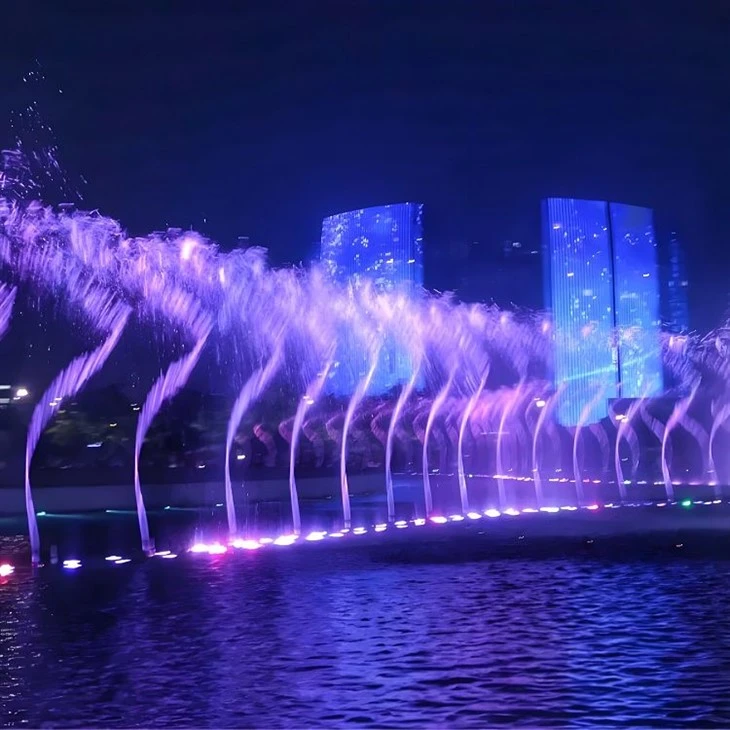
Conservation is also a big deal. Many cities have regulations that limit the amount of water a fountain can use. This might mean using recirculating systems, where the water is continuously reused instead of being wasted. For example, a Low Pressure Music Fountain can be designed to use water more efficiently by adjusting the water flow based on the music and the performance.
Noise and Aesthetics
Fountains can be a great source of relaxation, but they can also be noisy if not properly designed. Regulations often set limits on the amount of noise a fountain can produce. This is especially important in areas close to residential buildings or quiet public spaces like libraries. Fountain designers need to choose the right pumps and nozzles to minimize noise while still achieving the desired visual effect.
Aesthetics are also regulated to some extent. Public fountains should blend in with the surrounding environment and enhance the overall look of the area. For example, if it's a historical district, the fountain design might need to follow certain architectural styles. The color, shape, and size of the fountain should all be considered to make sure it fits in well. A Fountain Ground can be designed in a way that complements the landscape and the nearby structures.
Permits and Inspections
Before installing a fountain in a public area, you usually need to obtain a permit from the local government. This permit process ensures that the fountain meets all the necessary regulations. You'll need to submit detailed plans of the fountain, including its design, water usage, and safety features. The authorities will then review these plans and may ask for modifications if needed.
Once the fountain is installed, regular inspections are often required. These inspections check for safety, water quality, and compliance with all the regulations. If any issues are found, you'll be required to make the necessary repairs or adjustments. Failure to comply with the regulations can result in fines or even the removal of the fountain.
Design and Installation Considerations
When designing a fountain for a public area, it's important to keep the regulations in mind from the start. For example, if you're planning a Dry Floor Fountain, you need to ensure that it meets all the safety and water - related regulations. The installation process also needs to be carried out by qualified professionals. They should be familiar with the local regulations and know how to install the equipment correctly to avoid any future problems.
Community Engagement
In some cases, the local community may have a say in the design and operation of a public fountain. Before installing a new fountain, the local government may hold public hearings to get feedback from the residents. This can help to ensure that the fountain meets the needs and expectations of the community. For example, the community might have preferences regarding the style of the fountain or the type of shows it offers.
Cost and Maintenance
Complying with regulations can add to the cost of a fountain project. You'll need to invest in high - quality equipment, water treatment systems, and safety features. However, in the long run, it's worth it. A well - maintained fountain that meets all the regulations will last longer and provide a better experience for the public.

Maintenance is also an ongoing cost. You'll need to regularly check and clean the equipment, test the water quality, and make any necessary repairs. By following the regulations, you can ensure that your fountain remains in good condition and continues to be a beautiful and safe addition to the public area.
Contact for Purchase and Consultation
If you're interested in purchasing fountain equipment for a public area, I'm here to help. I've got a wide range of fountain options, from Low Pressure Music Fountains to Fountain Grounds and Dry Floor Fountains. I can also provide you with all the information you need to ensure that your fountain project complies with local regulations. Whether you're a city planner, an architect, or just someone with a passion for public spaces, feel free to reach out. Let's work together to create a beautiful and compliant fountain for your public area.
References
- Local government regulations on public fountains
- Industry standards for fountain equipment
- Research on water conservation and quality in public fountains