

What are the environmental regulations for square music fountains?
As a supplier of square music fountains, I've witnessed firsthand the enchanting allure these installations bring to public spaces. Square music fountains, with their harmonious blend of water, light, and sound, create captivating experiences for people of all ages. However, in our pursuit of creating these magical displays, it's crucial to be well - informed about the environmental regulations that govern them.
Water Usage Regulations
One of the most significant environmental concerns related to square music fountains is water consumption. In many regions, water is a precious and limited resource, and regulations are in place to ensure its efficient use. Local water management authorities often set limits on the amount of water that can be used by fountains. These limits are based on factors such as the size of the fountain, its location, and the overall water availability in the area.
For instance, in arid regions, fountains may be required to use a closed - loop water system. A closed - loop system recirculates the water within the fountain, minimizing water loss through evaporation and splashing. This type of system not only helps to conserve water but also reduces the cost of water supply and treatment. As a supplier, we are well - versed in designing and installing closed - loop water systems for square music fountains. Our Fountain 3d Design services can help clients visualize how a closed - loop system can be integrated into their fountain design without compromising on the aesthetic appeal.
In addition to water quantity regulations, there are also rules regarding water quality. Fountains must use clean and safe water to prevent the spread of diseases and to protect the environment. The water in the fountain should be regularly tested and treated to meet the local water quality standards. This may involve the use of filtration systems, disinfection methods, and chemical treatments to remove impurities and harmful microorganisms.
Energy Consumption Regulations
Square music fountains rely on a variety of energy - consuming components, such as pumps, lights, and sound systems. As a result, energy efficiency is a key consideration in environmental regulations. Many governments and local authorities encourage or mandate the use of energy - efficient equipment in fountain installations.
When it comes to pumps, for example, regulations may require the use of high - efficiency pumps that consume less electricity while still providing the necessary water pressure for the fountain's water display. LED lights have become increasingly popular in square music fountains due to their energy - saving properties. They use significantly less energy than traditional incandescent or fluorescent lights and have a longer lifespan. Our The Dancing Fountain models are designed with energy - efficient LED lighting systems that can create stunning visual effects while minimizing energy consumption.
Furthermore, some regions offer incentives or rebates for fountain owners who invest in energy - efficient technologies. These incentives can help offset the initial cost of purchasing and installing energy - saving equipment, making it more financially viable for clients to comply with energy regulations.
Noise Pollution Regulations
The sound is an integral part of the square music fountain experience, but it can also cause noise pollution if not properly managed. Local noise regulations set limits on the maximum allowable noise levels that a fountain can produce. These limits are typically based on the time of day and the surrounding environment.
For example, in residential areas, the noise levels from the fountain may be restricted during nighttime hours to avoid disturbing the residents. As a supplier, we work closely with our clients to ensure that the sound systems in our square music fountains are designed to operate within the legal noise limits. We use advanced sound - engineering techniques to control the volume and frequency of the music and water sounds, creating a pleasant and non - intrusive auditory experience. Our Beautiful Fountain designs take into account the acoustic requirements of the location, ensuring that the fountain's sound is in harmony with the surrounding environment.
Waste Management Regulations
Square music fountains generate various types of waste, including debris from the water, packaging materials from equipment, and used chemicals from water treatment. Proper waste management is essential to prevent environmental contamination.
Fountain operators are required to have a waste management plan in place. This plan should include procedures for collecting, storing, and disposing of waste in an environmentally friendly manner. For example, the debris collected from the fountain's water should be separated and recycled or disposed of in accordance with local waste disposal regulations. The packaging materials from new equipment should be recycled whenever possible.
As a supplier, we can provide guidance to our clients on waste management best practices. We also offer maintenance services that include waste collection and proper disposal, ensuring that our clients remain compliant with waste management regulations.
Impact on Wildlife and Ecosystems
Square music fountains are often located in public parks or near natural water bodies, which means they can have an impact on local wildlife and ecosystems. Regulations may be in place to protect these natural resources.
For example, if a fountain is located near a wetland or a river, there may be restrictions on the chemicals that can be used in the water treatment to prevent contamination of the surrounding water sources. Additionally, the design of the fountain should not disrupt the natural habitats of local wildlife. We take these factors into account when designing and installing square music fountains, ensuring that our installations are environmentally friendly and do not cause harm to the local ecosystem.
Compliance and Certification
To ensure that our square music fountains meet all the relevant environmental regulations, we follow a strict compliance process. This includes obtaining the necessary permits and approvals from local authorities before installation. We also work with independent testing laboratories to certify that our fountains meet the required environmental standards.

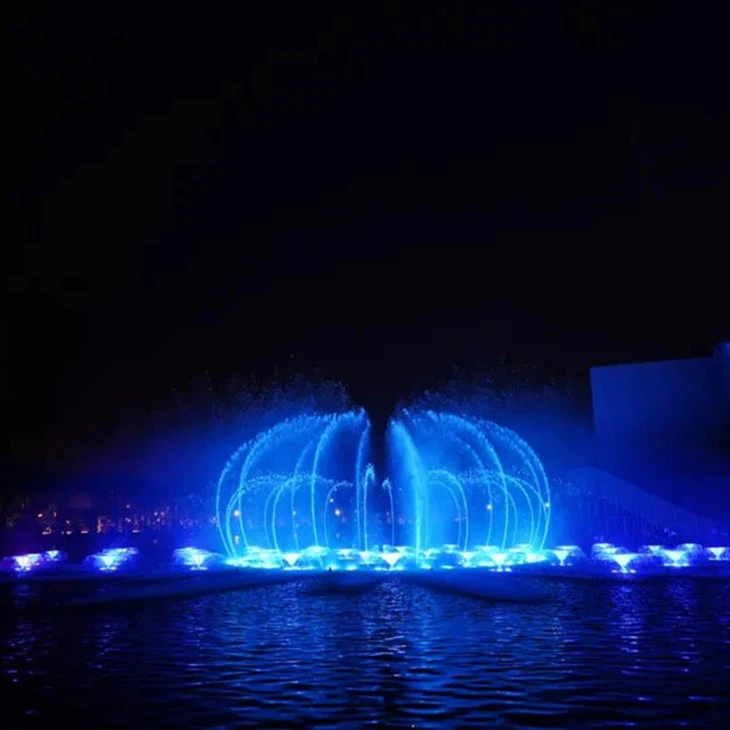
Our commitment to environmental compliance not only benefits the environment but also gives our clients peace of mind. By choosing our square music fountains, clients can be confident that they are investing in a product that is both beautiful and sustainable.
Conclusion
As a square music fountain supplier, we understand the importance of environmental regulations. These regulations are in place to protect our natural resources, reduce pollution, and ensure the long - term sustainability of our public spaces. By staying up - to - date with the latest environmental requirements and incorporating sustainable design principles into our products, we can continue to create stunning square music fountains that delight people while minimizing their environmental impact.
If you are interested in purchasing a square music fountain for your public space, we would be more than happy to discuss your needs and provide you with a customized solution. Our team of experts can guide you through the process, from design to installation, and ensure that your fountain meets all the necessary environmental regulations. Contact us today to start the conversation about bringing a beautiful and sustainable square music fountain to your location.
References
- Local water management authorities' guidelines on water usage for public fountains.
- Energy efficiency standards and regulations set by government agencies.
- Noise pollution control regulations issued by local municipalities.
- Waste management best practices and regulations from environmental protection agencies.
- Studies on the impact of fountains on local wildlife and ecosystems.