

Hey there! As a supplier of Dancing Water Fountains, I often get asked about how to adjust the water pressure in these amazing fountains. It's a crucial aspect that can significantly impact the performance and visual appeal of your Dancing Fountain. So, let's dive right in and explore the ins and outs of water pressure adjustment.
First off, why is water pressure so important? Well, the water pressure determines the height, shape, and intensity of the water jets in your dancing water fountain. If the pressure is too low, the water jets might not reach the desired height, and the overall effect will look weak and lackluster. On the other hand, if the pressure is too high, the water might splash out of the fountain basin, causing a mess and potentially damaging the surrounding area. So, finding the right balance is key to creating a mesmerizing display.
Understanding the Basics of Water Pressure
Before we start adjusting the water pressure, it's essential to understand a bit about how it works. Water pressure is typically measured in pounds per square inch (PSI). Most dancing water fountains operate within a specific PSI range, which is usually specified by the manufacturer. You can find this information in the fountain's user manual or by contacting the manufacturer directly.
There are two main factors that affect water pressure in a dancing water fountain: the pump and the plumbing system. The pump is responsible for pushing the water through the pipes and creating the necessary pressure. The plumbing system, including the pipes, valves, and nozzles, also plays a crucial role in regulating the flow and pressure of the water.
Checking the Pump
The first step in adjusting the water pressure is to check the pump. Make sure it's running properly and that there are no signs of damage or malfunction. If the pump is not working correctly, it won't be able to generate the required pressure. Here are a few things to look for:
- Power Supply: Ensure that the pump is plugged in and receiving power. Check the circuit breaker or fuse box to make sure there are no tripped breakers or blown fuses.
- Water Level: The pump needs to be submerged in water to operate effectively. Check the water level in the fountain basin and make sure it's above the minimum level recommended by the manufacturer.
- Impeller: The impeller is the part of the pump that rotates and creates the water flow. If the impeller is clogged or damaged, it can affect the pump's performance. You may need to remove the pump and clean or replace the impeller if necessary.
Adjusting the Flow Control Valve
Most dancing water fountains are equipped with a flow control valve, which allows you to adjust the water flow and pressure. The flow control valve is usually located near the pump or on the main water line. Here's how you can adjust it:
- Locate the Valve: Find the flow control valve on your fountain. It may be a simple knob or a more complex valve with multiple settings.
- Turn the Valve: To increase the water pressure, turn the valve clockwise. To decrease the pressure, turn the valve counterclockwise. Make small adjustments and test the fountain after each adjustment to see how it affects the water jets.
- Observe the Results: Watch the water jets as you make adjustments to the valve. You should see a change in the height and intensity of the jets. Keep adjusting the valve until you achieve the desired water pressure.
Checking the Nozzles
The nozzles are another important component that can affect the water pressure and the appearance of the water jets. Over time, the nozzles can become clogged with debris or mineral deposits, which can restrict the water flow and reduce the pressure. Here's how you can clean the nozzles:
- Turn Off the Pump: Before you start cleaning the nozzles, make sure the pump is turned off to avoid any accidents.
- Remove the Nozzles: Most nozzles can be easily removed by unscrewing them from the fountain. Be careful not to damage the nozzles or the plumbing connections.
- Clean the Nozzles: Soak the nozzles in a solution of warm water and mild detergent for a few hours. Use a small brush or a toothpick to remove any debris or deposits from the nozzle openings. Rinse the nozzles thoroughly with clean water and let them dry completely.
- Reinstall the Nozzles: Once the nozzles are clean and dry, reinstall them on the fountain. Make sure they are tightened securely to prevent any leaks.
Using a Pressure Gauge
If you want to get a more accurate reading of the water pressure, you can use a pressure gauge. A pressure gauge is a simple device that measures the PSI of the water. You can attach the pressure gauge to a valve or fitting on the plumbing system to get a direct reading of the pressure.
Here's how you can use a pressure gauge:
- Turn Off the Pump: As with any maintenance or adjustment, make sure the pump is turned off before you start.
- Attach the Pressure Gauge: Find a valve or fitting on the plumbing system where you can attach the pressure gauge. Make sure the connection is tight to prevent any leaks.
- Turn On the Pump: Once the pressure gauge is attached, turn on the pump and let it run for a few minutes to allow the water pressure to stabilize.
- Read the Pressure: Look at the pressure gauge and note the PSI reading. Compare this reading to the recommended PSI range for your fountain. If the pressure is too high or too low, you can make adjustments to the pump or the flow control valve as described above.
Troubleshooting Common Issues
Even after following all the steps above, you may still encounter some issues with the water pressure in your dancing water fountain. Here are some common problems and their possible solutions:
- Low Water Pressure: If the water pressure is too low, check the pump, the flow control valve, and the nozzles as described above. You may also need to check for any leaks in the plumbing system. A leak can cause a loss of pressure and reduce the performance of the fountain.
- High Water Pressure: If the water pressure is too high, you can try adjusting the flow control valve to reduce the pressure. If the problem persists, you may need to contact a professional plumber or the fountain manufacturer for further assistance.
- Uneven Water Jets: If the water jets are uneven or not performing as expected, check the nozzles for clogs or damage. You may also need to adjust the flow control valve to ensure that the water is flowing evenly through all the nozzles.
Conclusion
Adjusting the water pressure in a dancing water fountain is not as complicated as it may seem. By understanding the basics of water pressure, checking the pump, adjusting the flow control valve, and cleaning the nozzles, you can ensure that your fountain is operating at its best. Remember to always follow the manufacturer's instructions and safety guidelines when making any adjustments or repairs to your fountain.
If you're still having trouble adjusting the water pressure or if you have any other questions about your dancing water fountain, don't hesitate to contact us. As a leading supplier of Music Dancing Water Square Fountains and Dancing Musical Fountains, we have the expertise and experience to help you with all your fountain needs. Whether you're looking to purchase a new fountain or need assistance with maintenance and repair, we're here to serve you.

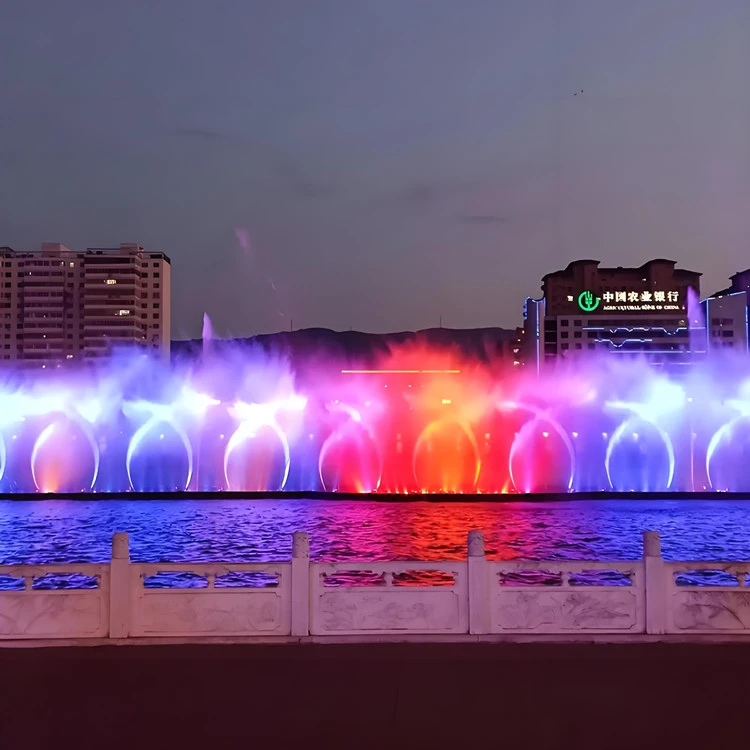
So, if you're interested in enhancing your space with a stunning dancing water fountain or need help with your existing fountain, feel free to reach out to us. We'll be happy to discuss your requirements and provide you with the best solutions. Let's create a magical water display together!
References
- Manufacturer's User Manuals
- Plumbing and Water Pressure Guides